Courses
Discover our comprehensive courses designed to help you achieve your goals.

BBB01: Back to Basics Breastfeeding
This 20-hour course is crucial for refreshing your breastfeeding knowledge and skills, preparing for Baby Friendly Hospital (Health - Australia) Initiative or upgrading your Code education

ELC01: The Ethical IBCLC: Principles and Responsibilities
Master ethical breastfeeding care: beneficence, autonomy, justice, integrity & safe, evidence-based clinical practice for professional
ELC02: Code Compliance: Everyone's Responsibility
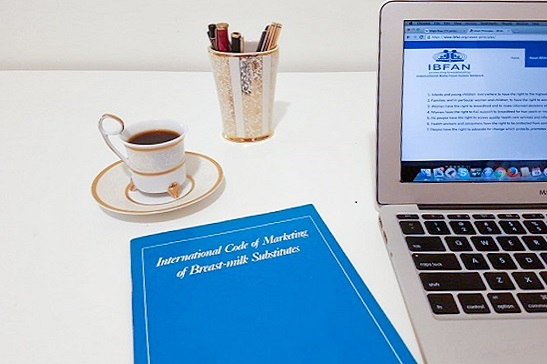
Understand and implement the International Code: legal and professional responsibilities in ethical breastfeeding support

EP01: Breastfeeding: An Essential Health Issue
Breastfeeding as an essential health issue has been challenged since the explosion into the marketplace of formula industries
EP02: Foundational Governing Principles
Legal and ethical principles underpin practice when it is related to public safety, such as the work of IBCLCs. Additionally, best practice is underpinned by robust research.

EP03: Mammary Magnificence: Breast Development
Breast development and lactation: understanding postnatal breast growth, puberty changes, and preparation for breastfeeding

EP04: Infant Ingenuity: Infant Anatomy & Physiology
Newborn neurobiology and breast anatomy: how early reflexes and unique features support breastfeeding establishment

EP05: Scientific Significance of Breastmilk
Breastfeeding confers health benefits to infants. Each unique component of breastmilk provides specific nutritional and immunological advantage

EP06: Maternal Manifestations
Maternal pathology: expert breastfeeding support to manage comorbidities, obstetric complications and postpartum challenges for healthy perinatal outcomes

EP07: More Maternal Manifestations
Advanced maternal complexity: applying critical analysis to manage breastfeeding in high‑risk, comorbid and medically complicated situations

EP08: Infant Intentions Interrupted
Infant surgical and metabolic challenges: breastfeeding management for brachial arch disorders, inborn errors of metabolism and infants requiring surgery

EP09: More Infant Intentions Interrupted
Explore hypoglycaemia, hyperbilirubinaemia, infectious diseases and complex infant conditions impacting breastfeeding
EP10: Tailored Circumstances
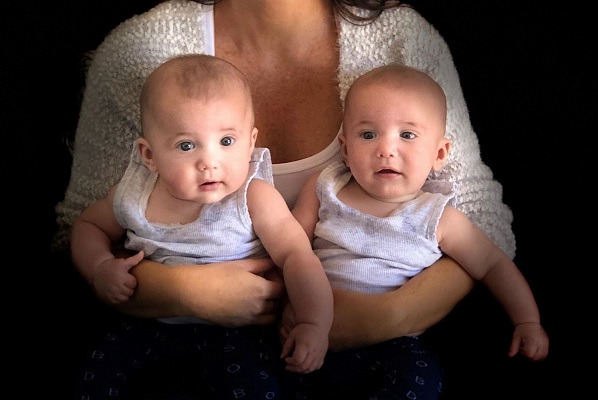
Tailoring breastfeeding management for diverse populations such as the uniqueness of families, evidence‑based support for infants, mothers and families

EP11: Pharmacotherapeutics and Lactation
Medications and breastfeeding: most drugs are compatible, with minimal transfer into breastmilk so many lactating women can continue treatment safely

EP12: Growing Up Being Breastfed
Breastfeeding up to and beyond 12 months: normal behaviours, growth, sleep, parenting transition and cultural perspectives

EP13: Communication and Counselling Skills for Practice
Communication skills for IBCLCs: strengthening interpersonal connections with women and families for effective, compassionate support
RRR01: I. Development and Nutrition
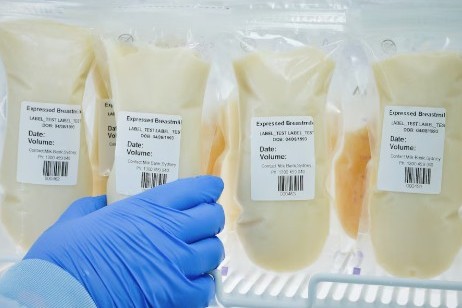
IBLCE Domain I. Development and Nutrition: Breastmilk nutrition, milk sharing, preterm feeding, and chrononutrition essentials
RRR02: II. Physiology and Endocrinology
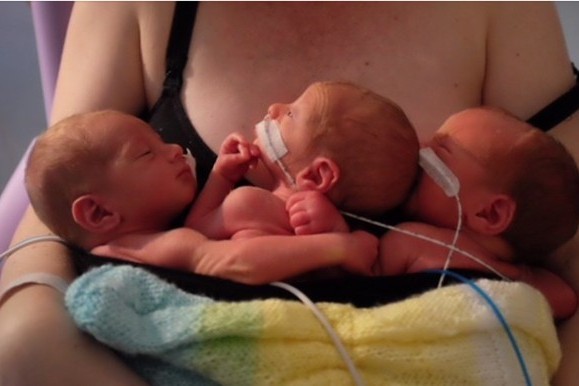
IBLCE Domain II: Physiology and Endocrinology Breastmilk biochemistry, induced lactation, ART, tandem feeding, and multiples: advanced breastfeeding care

RRR03: III. Pathology
IBLCE Domain III. Pathology: HIV, maternal and infant conditions in breastfeeding care

RRR04: IV. Pharmacology and Toxicology
IBLCE Domain IV. Pharmacology & Toxicology: Medication safety in breastfeeding: drug transfer, evidence-based updates, and clinical decision-making for IBCLCs

RRR05: V. Psychology, Sociology, and Anthropology
IBLCE Domain V. Psychology, Sociology, and Anthropology Evidence-based updates on psychosocial determinants, cultural contexts, and human behaviour for IBCLCs

RRR06: VI. Techniques
IBLCE Domain VI. Techniques Evidence-based updates on the golden hour, skin-to-skin contact, positioning, and latch assessment for IBCLCs
RRR07: VII. Clinical Skills
IBLCE Domain VII. Clinical Skills: essential bridge between lactation knowledge and safe, effective care for families